Is Solar Energy Right for Your Home? Pros and Cons to Consider

Solar panels are an excellent investment, but like any major decision, they come with their own set of advantages and…

    Why you can trust our content

    We know that the solar industry is full of misinformation, but we only use reliable sources, including:

    • Experienced solar experts who design and install with care
    • Our proprietary database of solar and battery system designs
    • Authoritative bodies like MCS and the UK government
    Solar Panel

    At a glance

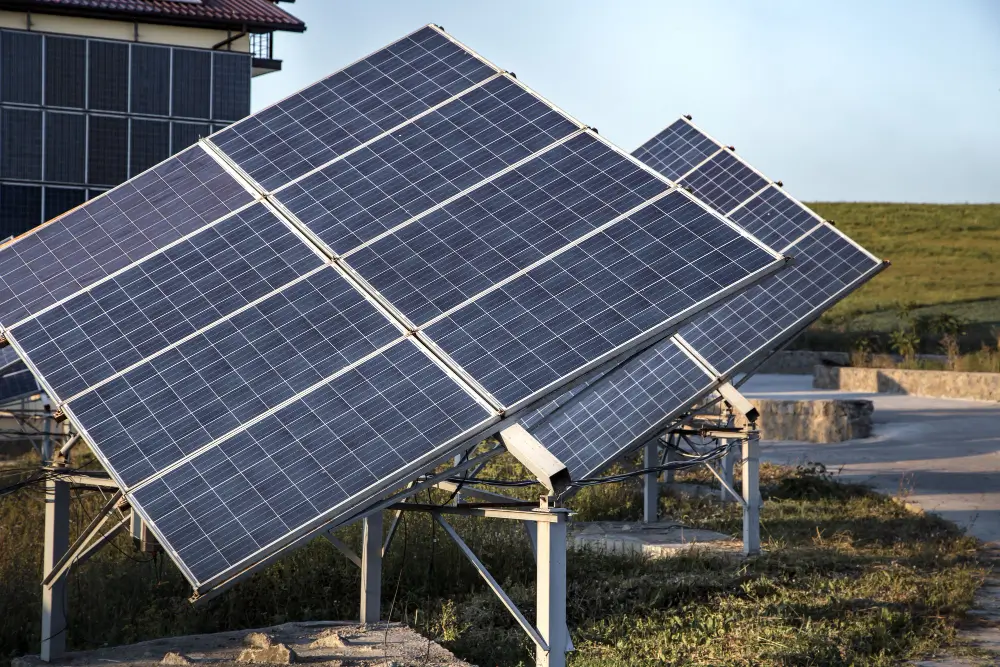
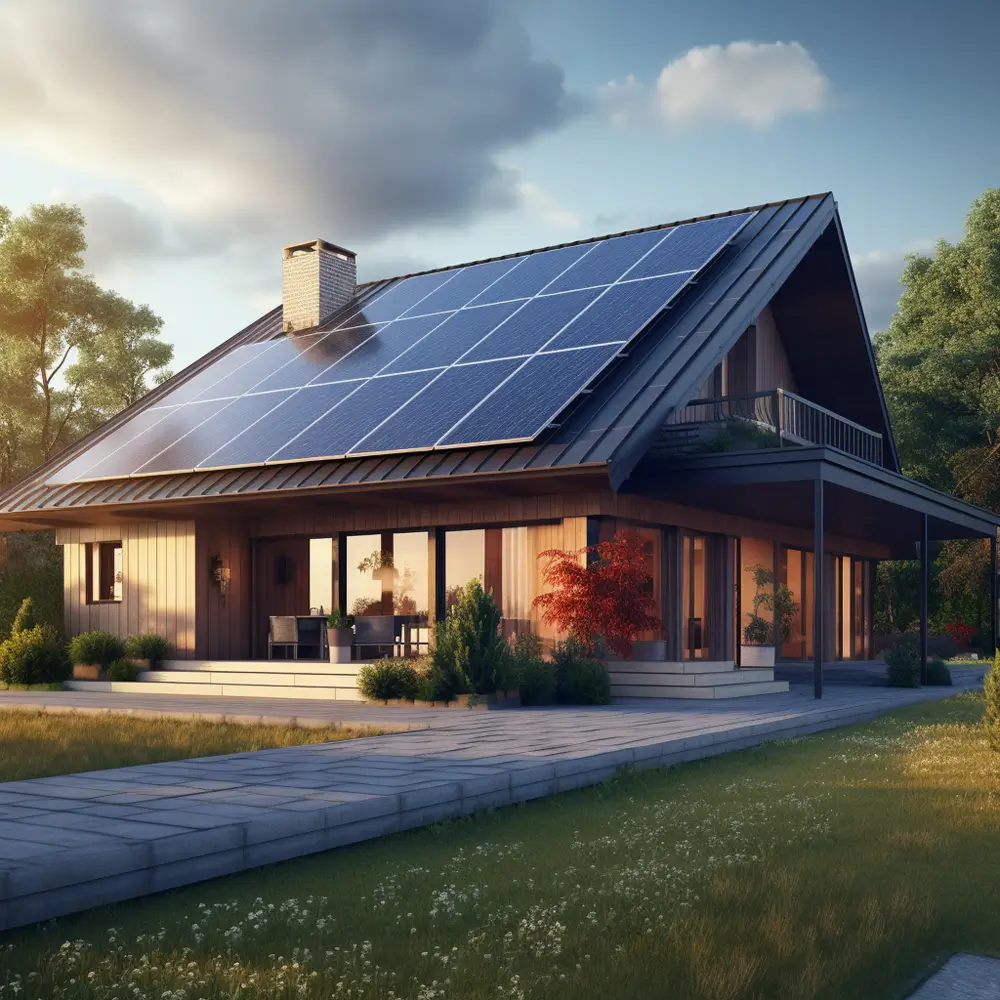
    Solar panels convert sunlight into electricity using photovoltaic (PV) cells. The generated power can be used in your home, stored in a battery, or exported to the grid.

    They can significantly reduce electricity bills, lower your carbon footprint, and increase your property’s value. You may also earn money through schemes like the Smart Export Guarantee (SEG).

    The upfront cost can be high, and efficiency depends on your roof’s orientation, shading, and local weather. Maintenance is low but still required occasionally.

    Solar panels are an excellent investment, but like any major decision, they come with their own set of advantages and disadvantages. To help you make an informed choice, we’ve outlined the key pros and cons to consider when deciding whether to install solar panels at your home or business in Devon.

    Pros of Solar Panels

    • Lower Energy Costs
      One of the biggest benefits of solar panels is the potential to save money on your electricity bills. By generating your own power, you reduce or eliminate your reliance on the grid. Over time, this can lead to significant savings.
    • Environmental Benefits
      Solar energy is a clean, renewable source of power. By switching to solar, you reduce your carbon footprint and help combat climate change. Unlike fossil fuels, solar power doesn’t produce greenhouse gases or other harmful emissions.
    • Energy Independence
      Installing solar panels gives you more control over your energy supply. You’re less reliant on utility companies and protected from rising energy prices. 
    • Increased Home Value
      Homes with solar panel installations often sell for more than those without. Buyers are attracted to the long-term energy savings and environmental benefits. In some markets, solar-equipped homes sell faster as well.
    • Incentives and Rebates
      The government offers incentives to make solar more affordable. These can include tax credits, grants and net metering programs that allow you to earn credits for excess electricity sent back to the grid.
    • See how much you could save

    What type of property do you have?

    Detached House

    Semi Detached House

    Terraced House

    Flat or Apartment

    Bungalow

    It just takes 60 Sec

    And then you can book a free consultation
    • Find out how much you’ll save
    • See the panels on your roof
    • Get a clear cost breakdown

    Cons of Solar Panels

    • Upfront Costs
      The initial cost of purchasing and installing solar panels is an investment. While prices have decreased in recent years, a complete solar system is still a considerable purchase. However, financing options and incentives can go a long way to offset these costs.
    • Space Requirements
      Solar panels require sufficient roof or ground space to install. If your roof is too small, shaded or poorly oriented, it may limit the effectiveness of a solar system. Ground-mounted systems are an alternative, but they require additional land space that most UK homeowners do not have.
    • Daytime Power Usage
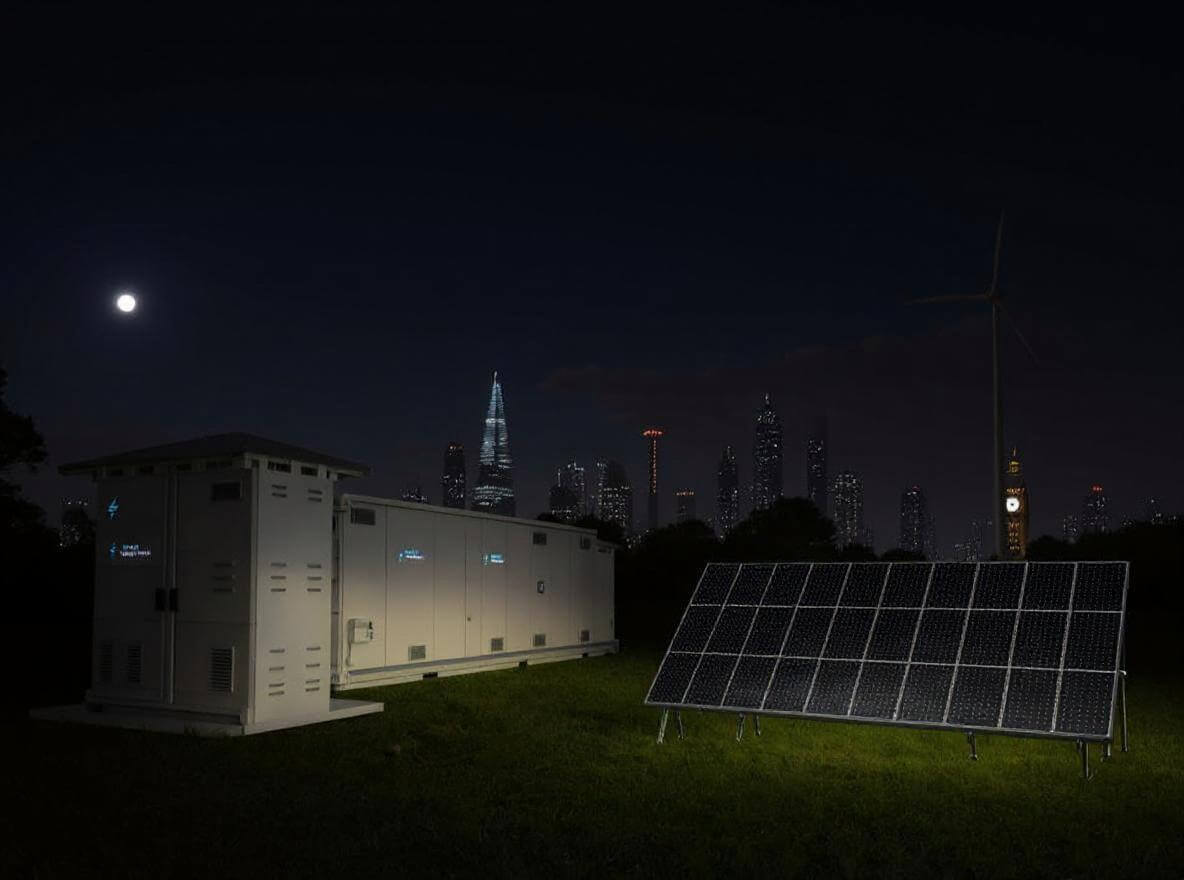
      Solar panels are most productive during the daytime, so if your home is empty 9 to 5 daily, you probably will not make use of the power generated.  However, you could work around this by setting times for appliances, or by investing in a battery storage syste
    • Maintenance and Repairs
      While solar panels are generally low maintenance, they do require occasional cleaning to remove dirt and debris. Over time, inverters or other system components may need repairs or replacement, adding to the long-term costs.
    • Not Ideal for Every Roof
      Certain roof types or conditions can make installation more challenging or expensive. For example, older roofs may need repairs before installation, and steep or irregularly shaped roofs can increase fitting costs.

    Important Factors to Consider

    • Your Energy Needs – Evaluate your household’s energy consumption to determine the size of the system you need to supply the power you use.
    • Sunlight Exposure – Consider your roof’s orientation, angle and shading to assess how much sunlight it realistically receives every day.
    • Budget – Factor in both the upfront costs and the long-term savings to determine if solar is financially viable for you.
    • Local Incentives – Research available tax credits and funding incentives that you can apply for – some are available for different criterias.

    Is Solar Right for You?

    Deciding to install solar panels is a big step, but it can be a rewarding one. Solar panels offer a pathway to lower energy bills, environmental responsibility, and greater energy independence. With careful consideration, you can make the most of solar technology and take a step toward a sustainable future. By weighing the pros and cons, you can determine if solar is the right choice for your home.

    If you’re ready to explore your options,contact the team here at Max Solar & Electrical. Our experienced team can assess your requirements, recommend the best system for your property and lifestyle, and guide you through the process. 

    Related articles
    • Estimate Your Savings
    What type of property do you have?

    Detached House

    Semi Detached House

    Terraced House

    Flat or Apartment

    Bungalow

    At a glance

    Solar panels convert sunlight into electricity using photovoltaic (PV) cells. The generated power can be used in your home, stored in a battery, or exported to the grid.

    They can significantly reduce electricity bills, lower your carbon footprint, and increase your property’s value. You may also earn money through schemes like the Smart Export Guarantee (SEG).

    The upfront cost can be high, and efficiency depends on your roof’s orientation, shading, and local weather. Maintenance is low but still required occasionally.

    Solar panels are an excellent investment, but like any major decision, they come with their own set of advantages and disadvantages. To help you make an informed choice, we’ve outlined the key pros and cons to consider when deciding whether to install solar panels at your home or business in Devon.

    Pros of Solar Panels

    • Lower Energy Costs
      One of the biggest benefits of solar panels is the potential to save money on your electricity bills. By generating your own power, you reduce or eliminate your reliance on the grid. Over time, this can lead to significant savings.
    • Environmental Benefits
      Solar energy is a clean, renewable source of power. By switching to solar, you reduce your carbon footprint and help combat climate change. Unlike fossil fuels, solar power doesn’t produce greenhouse gases or other harmful emissions.
    • Energy Independence
      Installing solar panels gives you more control over your energy supply. You’re less reliant on utility companies and protected from rising energy prices. 
    • Increased Home Value
      Homes with solar panel installations often sell for more than those without. Buyers are attracted to the long-term energy savings and environmental benefits. In some markets, solar-equipped homes sell faster as well.
    • Incentives and Rebates
      The government offers incentives to make solar more affordable. These can include tax credits, grants and net metering programs that allow you to earn credits for excess electricity sent back to the grid.
    • See how much you could save

    What type of property do you have?

    Detached House

    Semi Detached House

    Terraced House

    Flat or Apartment

    Bungalow

    It just takes 60 Sec

    And then you can book a free consultation
    • Find out how much you’ll save
    • See the panels on your roof
    • Get a clear cost breakdown

    Cons of Solar Panels

    • Upfront Costs
      The initial cost of purchasing and installing solar panels is an investment. While prices have decreased in recent years, a complete solar system is still a considerable purchase. However, financing options and incentives can go a long way to offset these costs.
    • Space Requirements
      Solar panels require sufficient roof or ground space to install. If your roof is too small, shaded or poorly oriented, it may limit the effectiveness of a solar system. Ground-mounted systems are an alternative, but they require additional land space that most UK homeowners do not have.
    • Daytime Power Usage
      Solar panels are most productive during the daytime, so if your home is empty 9 to 5 daily, you probably will not make use of the power generated.  However, you could work around this by setting times for appliances, or by investing in a battery storage syste
    • Maintenance and Repairs
      While solar panels are generally low maintenance, they do require occasional cleaning to remove dirt and debris. Over time, inverters or other system components may need repairs or replacement, adding to the long-term costs.
    • Not Ideal for Every Roof
      Certain roof types or conditions can make installation more challenging or expensive. For example, older roofs may need repairs before installation, and steep or irregularly shaped roofs can increase fitting costs.

    Important Factors to Consider

    • Your Energy Needs – Evaluate your household’s energy consumption to determine the size of the system you need to supply the power you use.
    • Sunlight Exposure – Consider your roof’s orientation, angle and shading to assess how much sunlight it realistically receives every day.
    • Budget – Factor in both the upfront costs and the long-term savings to determine if solar is financially viable for you.
    • Local Incentives – Research available tax credits and funding incentives that you can apply for – some are available for different criterias.

    Is Solar Right for You?

    Deciding to install solar panels is a big step, but it can be a rewarding one. Solar panels offer a pathway to lower energy bills, environmental responsibility, and greater energy independence. With careful consideration, you can make the most of solar technology and take a step toward a sustainable future. By weighing the pros and cons, you can determine if solar is the right choice for your home.

    If you’re ready to explore your options,contact the team here at Max Solar & Electrical. Our experienced team can assess your requirements, recommend the best system for your property and lifestyle, and guide you through the process. 

    Related articles
    What type of property do you have?

    Detached House

    Semi Detached House

    Terraced House

    Flat or Apartment

    Bungalow